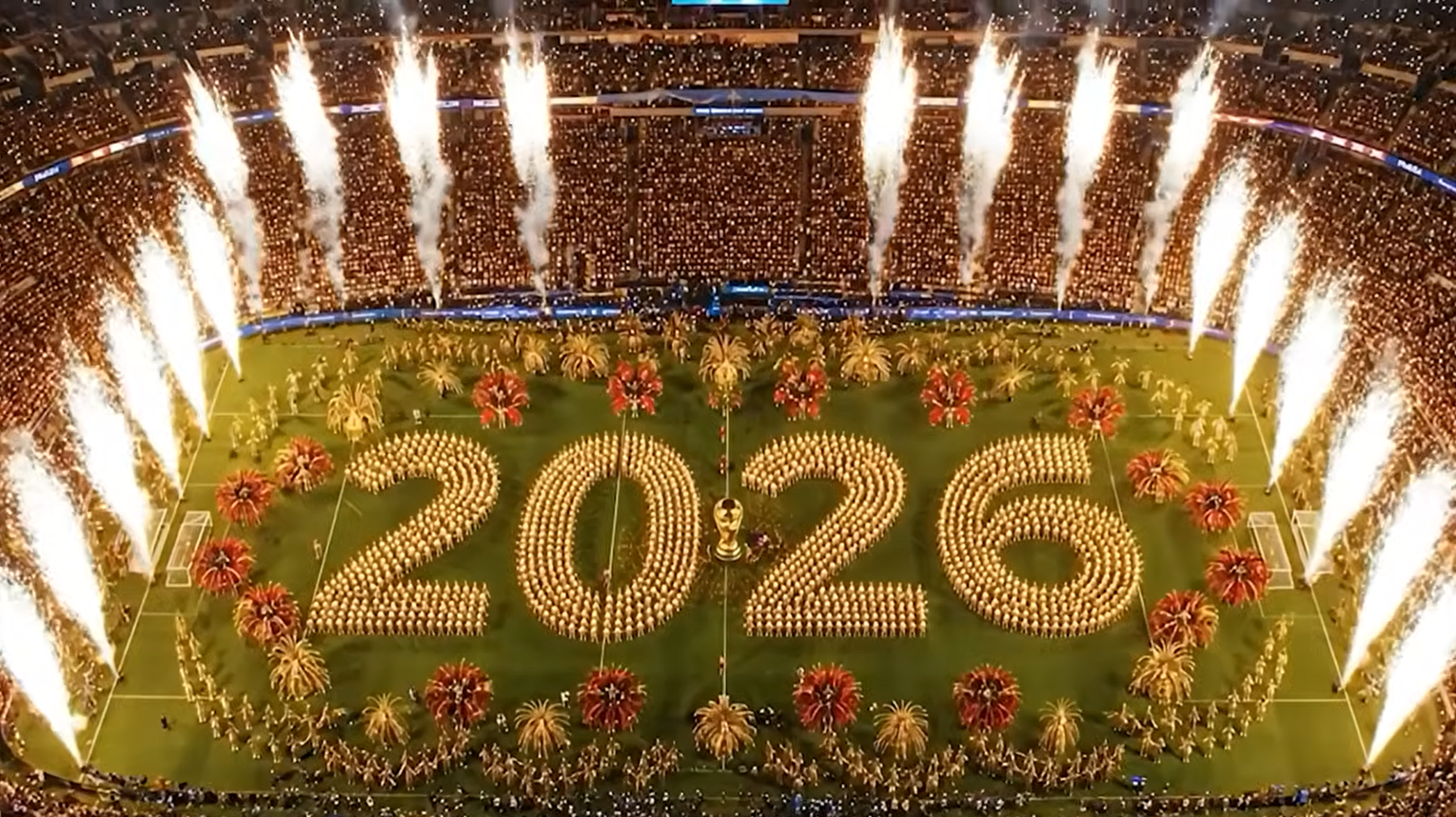
When the FIFA World Cup kicks off in the summer of 2026, it will not just be a celebration of football; it will be a masterclass in transcontinental logistics. For the first time in history, the tournament will be co-hosted by three nations—the United States, Canada, and Mexico—spanning a geographical area so vast that it encompasses multiple time zones and drastically diverse climates. This tri-nation approach transforms the World Cup from a localized festival into a roaming continental expedition.
The sheer scale of the 2026 tournament is breathtaking. A total of 16 cities will serve as hosts: 11 in the United States, 3 in Mexico, and 2 in Canada. The geographical extremes are staggering. A team could play a group stage match in the Pacific Northwest humidity of Vancouver, travel to the high altitude of Mexico City for their next game, and then find themselves in the sweltering heat of Miami or Dallas for a knockout tie. Managing this travel matrix has been one of FIFA’s greatest administrative challenges, requiring meticulous planning to ensure that the physical toll on players is minimized while maximizing the experience for traveling fans.
Beyond the modern logistical triumphs, the 2026 tournament is deeply intertwined with football’s ancient history. The honor of hosting the opening match has been awarded to Mexico City’s Estadio Azteca. By doing so, the stadium etches its name into the record books as the first venue ever to host three separate World Cup tournaments, having previously held the finals in 1970 and 1986. It provides a poetic bridge between the legends of the past—Pelé and Maradona—and the superstars of the modern era.
Conversely, the journey will end on the eastern seaboard of the United States. The MetLife Stadium in East Rutherford, New Jersey—a venue just outside New York City—has been selected to host the final. This choice highlights the strategic intent of the organizers: to place the climax of the tournament in the epicenter of global media and commerce. By weaving together the passionate, soccer-obsessed culture of Mexico, the emerging enthusiasm of Canada, and the massive commercial infrastructure of the United States, the 2026 hosts are aiming to deliver a World Cup that breaks every conceivable attendance and commercial record, setting a new gold standard for joint ventures in global sports.
Published on 6/23/2026