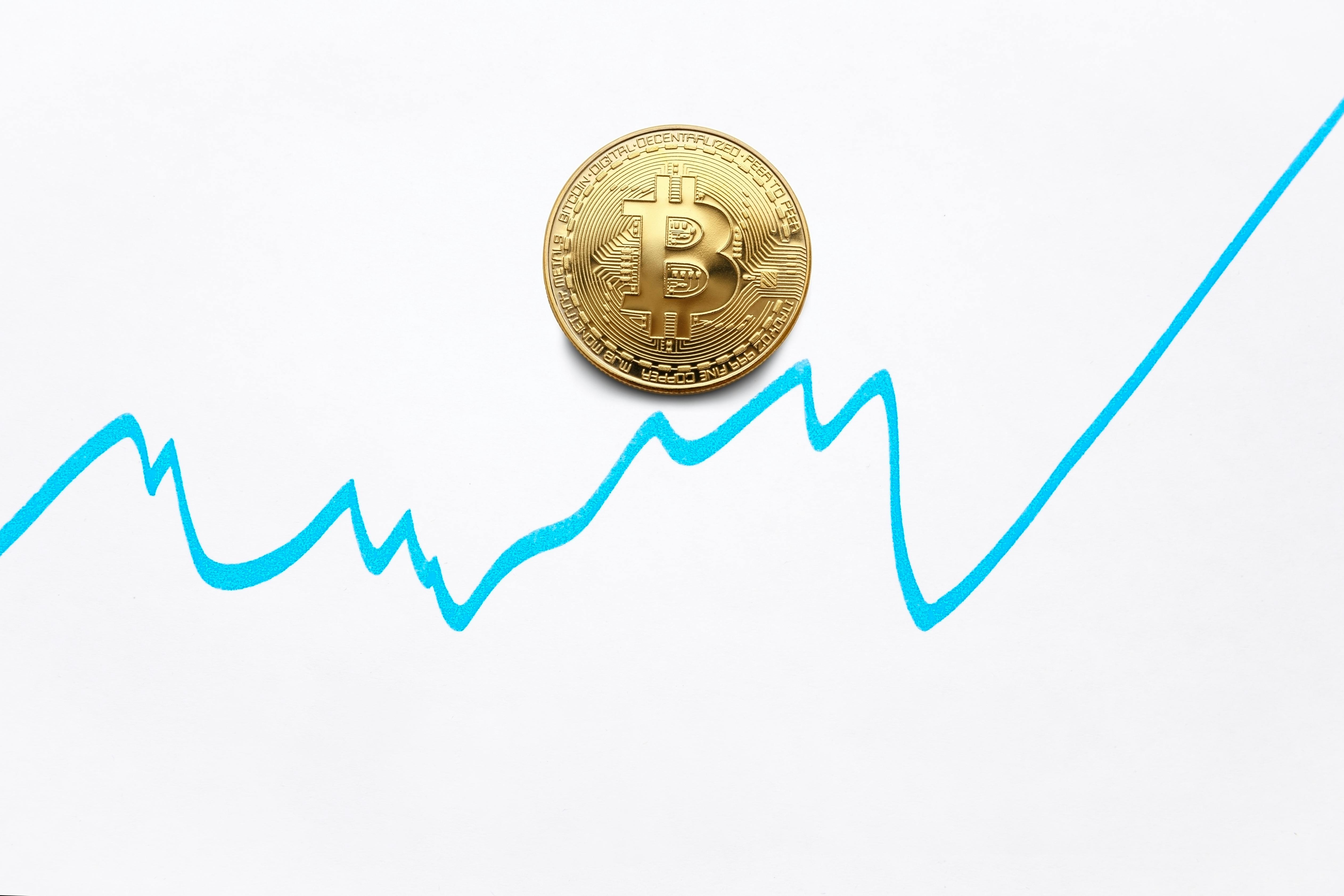
Bitcoin Faces Critical Pressure as ETF Outflows Weigh on Market Sentiment Introduction
Bitcoin entered July 2026 facing one of its most challenging periods of the year. After months of fluctuating prices and mixed investor sentiment, the world's largest cryptocurrency is now navigating a market environment shaped by persistent ETF outflows, cautious institutional participation, and broader macroeconomic uncertainty.
While Bitcoin remains the dominant digital asset by market capitalization, recent developments suggest that investors are becoming increasingly selective. Instead of chasing rapid gains, both retail and institutional participants are placing greater emphasis on risk management, capital preservation, and long-term market fundamentals. Technical Outlook for Bitcoin in July 2026
From a technical perspective, Bitcoin is trading within a crucial range that many analysts believe will determine the market's direction over the coming weeks. Buyers are attempting to establish support near recent lows, while sellers continue to test resistance levels during every recovery attempt.
Market technicians note that periods of consolidation often precede significant price movements. However, predicting the direction of the next breakout remains difficult, as several external factors continue influencing investor sentiment.
Trading volume has also become an important indicator. A sustained increase in buying volume could suggest renewed institutional interest, while declining volume may indicate that investors are waiting for greater economic clarity before increasing their exposure to digital assets.
Momentum indicators remain mixed, reflecting the current balance between cautious optimism and short-term uncertainty. For many investors, patience may be more valuable than aggressive trading until clearer trends emerge.
Regulation Continues to Shape Investor Confidence
Regulation has become one of the defining themes of the cryptocurrency industry in 2026. Governments and financial regulators around the world are working to establish clearer frameworks for digital assets, aiming to balance innovation with investor protection.
For institutional investors, regulatory clarity is often viewed as a positive development. Clear rules can reduce legal uncertainty, improve transparency, and encourage broader participation from banks, pension funds, and asset managers.
Key regulatory priorities include:
Strengthening anti-money laundering (AML) compliance Improving consumer protection Enhancing transparency for crypto exchanges Defining standards for stablecoin issuers Establishing reporting requirements for institutional investors
Although stricter regulations may increase compliance costs for some businesses, many market participants believe they will contribute to a healthier and more mature cryptocurrency ecosystem over the long term.
Bitcoin Versus Ethereum: A Different Market Dynamic
While Bitcoin remains the largest cryptocurrency by market capitalization, Ethereum continues to attract attention for different reasons.
Bitcoin is widely regarded as a digital store of value and a potential hedge against long-term monetary expansion. Its fixed supply and decentralized network remain its defining characteristics.
Ethereum, by contrast, serves as the foundation for a broad ecosystem of decentralized applications, smart contracts, decentralized finance (DeFi), and tokenized assets. Developers continue to build new services on Ethereum, reinforcing its role as a programmable blockchain platform.
As a result, investors often view the two assets as complementary rather than competing. Bitcoin appeals to those seeking long-term scarcity and macroeconomic exposure, while Ethereum attracts investors interested in blockchain innovation and decentralized technology.
Holding exposure to both assets has become a common strategy among diversified crypto investors.
The Importance of Risk Management
Periods of market uncertainty reinforce the importance of effective risk management.
Rather than attempting to maximize short-term returns, experienced investors often focus on preserving capital while remaining positioned for future opportunities.
Several widely used risk management strategies include:
Maintaining diversified portfolios Setting long-term investment objectives Limiting exposure to highly speculative assets Keeping adequate cash reserves Reviewing portfolio allocations regularly
Many investors also adopt a dollar-cost averaging (DCA) strategy, investing fixed amounts at regular intervals regardless of short-term price fluctuations. This disciplined approach helps reduce the emotional impact of market volatility and minimizes the risks associated with trying to perfectly time the market.
Blockchain Innovation Continues Beyond Price Movements
Although Bitcoin's price often dominates headlines, the broader blockchain industry continues to evolve rapidly.
Developers are expanding blockchain applications across numerous sectors, including:
Digital payments Supply chain management Healthcare data Identity verification Financial services Gaming and digital entertainment
Institutional adoption of blockchain technology is also accelerating. Major financial institutions continue investing in tokenization, digital asset custody, and blockchain-based settlement systems, demonstrating confidence in the long-term potential of distributed ledger technology.
These developments suggest that while cryptocurrency prices may fluctuate, innovation within the blockchain ecosystem continues to advance.
What Investors Should Watch in the Second Half of 2026
As the market enters the second half of the year, several factors are likely to influence Bitcoin's direction:
Institutional Capital Flows
Renewed inflows into Bitcoin investment products could strengthen market confidence and improve liquidity.
Monetary Policy
Future decisions by major central banks regarding interest rates and inflation management may significantly impact investor appetite for risk assets.
Regulatory Developments
New regulations in key financial markets could either encourage broader institutional participation or create additional short-term uncertainty.
Corporate Adoption
Announcements from major corporations regarding Bitcoin holdings, payment integration, or blockchain initiatives could influence market sentiment.
Technological Progress
Continued improvements in Bitcoin infrastructure, including Layer-2 scaling solutions and enhanced security technologies, may strengthen the network's long-term investment case.
Outlook for Long-Term Investors
Despite recent volatility, many long-term investors remain optimistic about Bitcoin's future.
The cryptocurrency market has experienced multiple cycles since Bitcoin's creation, with each period of correction followed by renewed innovation and broader adoption. While past performance does not guarantee future results, Bitcoin has consistently demonstrated resilience through changing economic conditions.
Investors with a long-term perspective often emphasize:
Patience over speculation Diversification over concentration Research over emotion Consistency over market timing
These principles remain particularly relevant during periods of heightened uncertainty.
Conclusion
Bitcoin begins July 2026 at a pivotal moment. ETF outflows, cautious institutional positioning, and macroeconomic uncertainty have placed short-term pressure on prices, leading many investors to adopt a more conservative stance. Nevertheless, the underlying fundamentals of the Bitcoin network remain strong, supported by ongoing blockchain innovation, increasing institutional infrastructure, and continued interest in digital assets as part of diversified investment portfolios.
While volatility is likely to remain a defining feature of the cryptocurrency market, long-term investors continue to view periods of uncertainty as opportunities to evaluate portfolio strategies and strengthen positions based on sound financial principles.
The months ahead will likely be influenced by institutional capital flows, monetary policy decisions, regulatory developments, and technological innovation. For investors willing to remain disciplined and focused on long-term objectives, Bitcoin continues to represent one of the most closely watched and influential assets in the evolving global financial landscape.
As digital assets become increasingly integrated into the traditional financial system, Bitcoin's role is likely to extend beyond speculation, reinforcing its position as both a technological innovation and a significant component of the modern investment ecosystem.
Despite the current pressure, analysts argue that the broader outlook for Bitcoin remains constructive. Growing blockchain adoption, expanding institutional infrastructure, and continued innovation across decentralized finance indicate that the cryptocurrency market is evolving rather than declining.
As the second half of 2026 begins, investors are closely monitoring several key factors that could determine Bitcoin's next major move.
ETF Outflows Continue to Influence Bitcoin Prices
One of the biggest themes dominating the cryptocurrency market is the continued outflow from spot Bitcoin exchange-traded funds (ETFs).
Since spot ETFs became widely available, they have played an increasingly important role in determining short-term market liquidity. Large inflows often signal strong institutional confidence, while sustained outflows can create additional selling pressure.
During recent trading sessions, several investment funds experienced net redemptions as investors reduced exposure to risk assets amid ongoing macroeconomic uncertainty.
Although ETF outflows do not necessarily indicate a long-term bearish trend, they can temporarily weaken market momentum by reducing institutional demand.
Many market participants are carefully watching daily ETF flow data because it has become one of the clearest indicators of institutional sentiment toward Bitcoin.
Institutional Investors Are Becoming More Selective
Institutional investors remain an essential component of Bitcoin's long-term growth story.
However, investment behavior has become noticeably more disciplined throughout 2026.
Instead of aggressively increasing exposure during every market correction, professional asset managers are placing greater emphasis on:
Portfolio diversification Risk-adjusted returns Macroeconomic indicators Interest rate expectations Regulatory developments Liquidity conditions
This more cautious approach reflects the increasing maturity of digital asset investing.
Bitcoin is no longer viewed solely as a speculative asset. Many institutional investors now evaluate it alongside traditional investments such as equities, government bonds, commodities, and real estate.
As a result, Bitcoin's performance is increasingly influenced by broader financial market conditions.
Macroeconomic Conditions Remain a Key Driver
Cryptocurrency markets no longer operate independently of the global economy.
Economic developments continue influencing investor confidence across nearly every asset class.
Several macroeconomic factors remain particularly important.
Interest Rates
Higher interest rates generally reduce demand for speculative investments because fixed-income assets become more attractive.
Investors seeking stable returns may allocate more capital toward bonds rather than higher-risk digital assets.
Inflation
Inflation continues affecting investment decisions worldwide.
Although Bitcoin has often been described as a potential hedge against inflation, investor behavior has varied depending on broader economic conditions.
Currency Strength
Movements in the U.S. dollar continue influencing cryptocurrency markets.
A stronger dollar often creates additional pressure on Bitcoin prices, while a weaker dollar can support demand for alternative assets.
Retail Investors Show Mixed Sentiment
Retail participation remains active, but enthusiasm has moderated compared with previous bull market cycles.
Many smaller investors are taking a more measured approach by gradually accumulating Bitcoin instead of making large speculative purchases.
Several factors explain this behavior.
First, market volatility remains relatively high.
Second, investors have become more educated about risk management.
Third, diversified investing has gained popularity among younger investors who now spread capital across multiple asset classes rather than concentrating solely on cryptocurrencies.
This evolution reflects the increasing maturity of the digital asset market.
Bitcoin Network Fundamentals Remain Strong
Although price movements often dominate headlines, Bitcoin's underlying network continues demonstrating resilience.
Several on-chain indicators suggest that long-term holders remain committed despite recent market fluctuations.
Among the strongest network characteristics are:
High network security Consistent mining activity Active wallet growth Continued institutional custody adoption Increasing blockchain infrastructure investment
Long-term holders have historically played an important role in stabilizing Bitcoin during periods of market uncertainty.
Many investors continue viewing temporary corrections as opportunities to strengthen long-term positions.
The Role of Long-Term Investors
One of Bitcoin's defining characteristics has always been the conviction of long-term holders.
Unlike short-term traders, long-term investors focus less on daily price movements and more on the broader adoption of blockchain technology.
Their investment thesis often centers on several long-term drivers.
Digital Scarcity
Bitcoin's fixed supply remains one of its strongest investment characteristics.
Unlike traditional fiat currencies, Bitcoin's maximum supply is permanently limited to 21 million coins.
Institutional Adoption
Financial institutions continue expanding digital asset services despite periods of market volatility.
Banks, asset managers, and payment companies are gradually integrating cryptocurrency products into their broader financial ecosystems.
Technological Innovation
Development within the Bitcoin ecosystem continues through improved infrastructure, payment solutions, custody services, and Layer-2 technologies that aim to increase scalability.
Market Volatility Creates Both Risk and Opportunity
Volatility remains an unavoidable feature of cryptocurrency investing.
Sharp price movements often generate uncertainty, but they also create opportunities for disciplined investors.
Professional investors generally approach volatility by:
Maintaining diversified portfolios Investing gradually over time Avoiding emotional decision-making Focusing on long-term objectives Regularly reviewing portfolio allocations
Rather than attempting to predict every short-term movement, experienced investors typically prioritize consistency and risk management.
Published on 7/1/2026