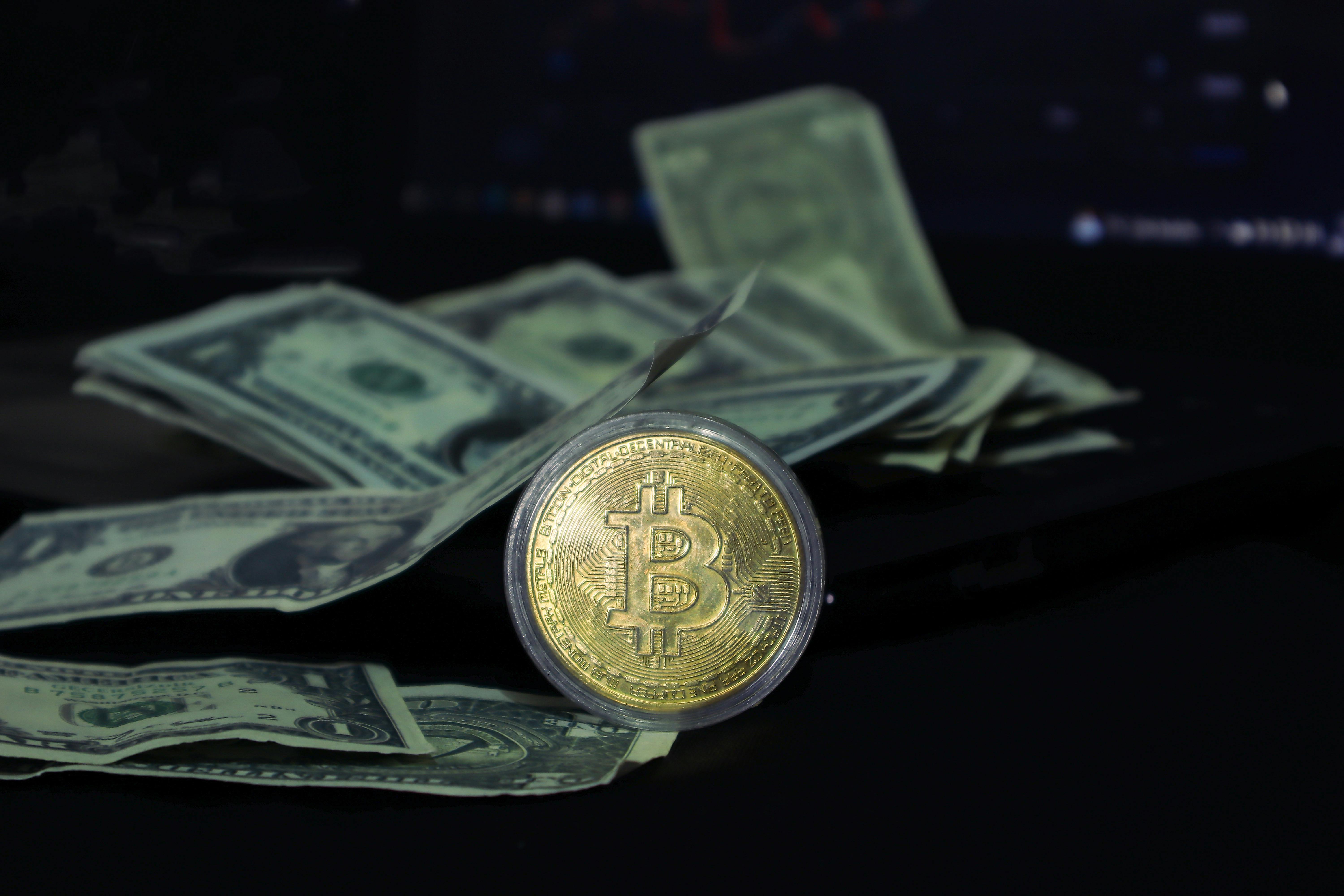
The crypto markets have injected a sudden, aggressive wave of euphoria into European social media feeds this morning, as Bitcoin successfully reclaimed the critical $65,200 territory. Just weeks ago, following a brutal macroeconomic contraction and heavy liquidations across global markets, the Fear & Greed Index sat at a terrifying level 11, indicating Extreme Fear. Today, that index has climbed back into neutral-to-greedy territory, hovering around 29 and climbing. To the casual retail observer scrolling through trending financial topics on TikTok, Instagram, or Reddit, the crypto winter looks decisively over. However, veteran European quantitative analysts and institutional risk managers are sounding major alarms, warning that this sudden vertical spike might simply be a highly sophisticated "dead cat bounce" or a bull trap engineered to hunt short liquidity.To understand whether this recovery has real legs, one must look at the underlying market structure of the past quarter. The mid-2026 market dump was largely driven by systemic pressures: massive token distributions from defunct legacy estates, high interest rates sustained by central banks, and a general exhaustion of retail buying power. When Bitcoin dipped below its realized price support levels, it triggered an avalanche of automated liquidations that wiped out billions in leveraged long positions. The current bounce back to $65,200 is heavily fueled by "short squeezing"—a market phenomenon where traders who bet on lower prices are forced to buy back their positions as the price ticks upward, creating an artificial, highly volatile upward spiral that does not necessarily reflect true organic demand.The fragile foundation of this recovery lies primarily in institutional cash flows rather than retail enthusiasm. While spot Bitcoin ETFs listed across global exchanges have recorded consecutive weeks of net positive inflows, the incoming capital has only replaced a measly 3.3% of the massive outflows suffered during the capitulation phases of May and June. Retail demand across European banking rails remains remarkably thin. The average European citizen is currently more concerned with persistent inflation and summer holiday spending than allocating disposable income into highly volatile digital assets. Consequently, the market is resting on an incredibly narrow pillar: whether institutional market makers can permanently convert the $65,000 psychological resistance line into a structural floor.The true tactical battleground for Bitcoin over the coming weeks will be defined by macroeconomic data releases from both the European Central Bank (ECB) and the US Federal Reserve. If central banks signal a definitive shift toward aggressive interest rate cuts to stimulate a cooling global economy, Bitcoin will likely receive a massive structural boost, cementing this July recovery as the launchpad for a legitimate bull market expansion. However, if inflation metrics prove sticky and interest rates remain elevated, the cost of capital will stay prohibitively high. In that scenario, institutional desks will quickly rotate out of risky digital assets back into yielding government bonds, leaving over-leveraged retail investors who bought into the local hype trapped at the absolute top of the market.Beyond the immediate price charts and technical indicators, this $65,000 battleground serves as a vital psychological litmus test for the entire asset class. For over a decade, critics have argued that Bitcoin is merely a speculative bubble that would pop permanently once exposed to a true global macroeconomic slowdown. If Bitcoin can consolidate its position above $65,200 and launch a sustainable rally during a period of global economic uncertainty, it will fundamentally prove its resilience as a digital alternative asset. It would validate the thesis that digital scarcity holds value when sovereign currencies are losing purchasing power. For the everyday observer, the next few days of trading will not just dictate the direction of a chart—it will determine whether crypto retains its status as a viable financial frontier or reverts to a speculative fringe market.
Published on 7/21/2026