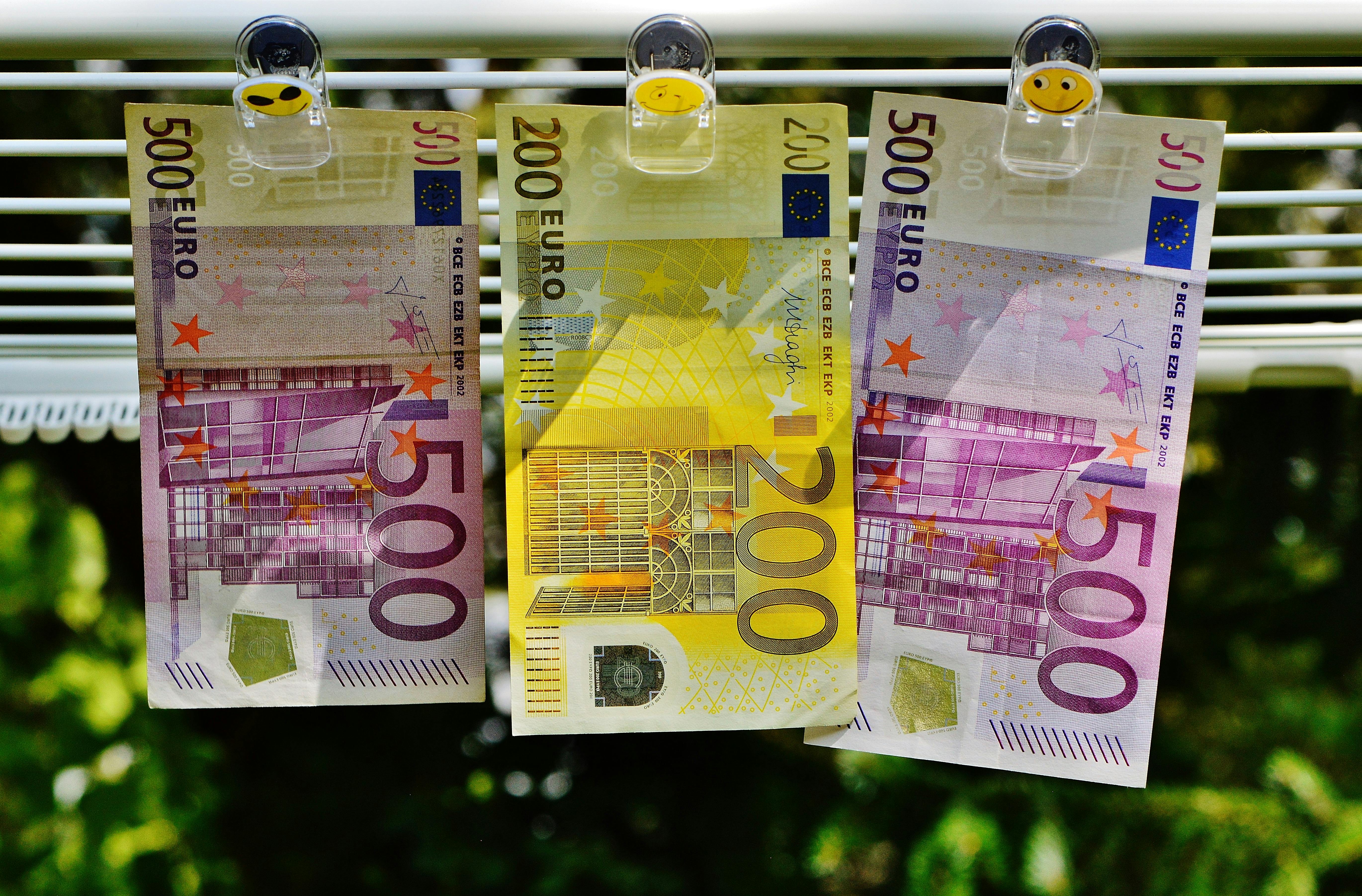
Environmental, Social, and Governance (ESG) investing was once hailed as the definitive future of global capitalism, particularly across Europe, where climate awareness runs deep among all demographics. For years, asset management firms plastered their promotional materials with green leaves, wind turbines, and promises of "ethical wealth creation," attracting trillions of euros from eco-conscious European savers. Today, however, that marketing veneer is being systematically stripped away. Under the definitive implementation of the European Union’s upgraded Sustainable Finance Disclosure Regulation (SFDR) standards, a severe regulatory reckoning is sweeping through the financial capitals of Europe. Asset managers are being forced to face an uncomfortable reality: validate your environmental claims with rigorous, bulletproof data, or face massive public reclassifications and historic regulatory penalties for greenwashing.The core of this regulatory shakeup lies in the tightening definition of what constitutes an "Article 9" fund—the highest and most stringent designation for financial products that have a specific, measurable sustainable investment objective. Under the initial iterations of the SFDR, vague definitions allowed many large investment funds to bundle conventional corporate stocks into their portfolios while still branding themselves as deeply sustainable. The updated 2026 framework has completely closed these interpretive loopholes. Regulators now require absolute, verifiable proof that every euro invested in an Article 9 fund contributes directly to an environmentally sustainable objective without causing significant harm elsewhere. Unable to meet these intensive data auditing standards, major financial institutions across London, Frankfurt, and Paris are quietly stripping the "ESG" label from hundreds of high-profile investment funds.For the everyday European investor, this regulatory pivot is causing a significant wave of short-term confusion, but it promises immense long-term transparency. When an individual opens their investment portfolio app today, they are likely seeing funds they previously believed were eco-friendly being downgraded to conventional classifications. On social media, discussions are split: some view the sudden mass downgrades as proof that sustainable investing was merely a corporate marketing scam, while others praise the EU for taking a hardline stance against corporate deception. This transparency forces a healthy maturation of the ethical investment space, ensuring that actual capital is flowing to genuine green infrastructure projects rather than merely subsidizing large corporations with clever public relations departments.The operational impact on corporate asset managers is nothing short of an administrative nightmare. Compliance departments are working around the clock to audit supply chains, carbon footprints, and governance structures for thousands of global companies. The demand for specialized ESG data analysts and independent environmental auditors has skyrocketed across the continent, making it one of the most lucrative sub-sectors in modern finance. Investment firms that heavily invested in building robust, data-driven compliance networks are gaining a massive competitive edge, using their verified Article 9 status to attract premium capital from large European pension funds, which are legally mandated to meet strict sustainability targets.Ultimately, Europe's aggressive stance on SFDR enforcement sets a massive precedent that will inevitably reshape global corporate behavior. Because European capital markets are tightly integrated with the rest of the world, companies in Asia and North America that wish to remain attractive to wealthy European investment funds are being forced to elevate their own environmental disclosure standards. Europe is using its immense financial muscle to enforce global climate accountability, proving that true sustainable finance cannot be built on vague promises and marketing slogans. As the dust settles from this historic greenwashing crackdown, the European public is gaining a financial ecosystem where an investment's ethical impact is just as verifiable as its financial return.
Published on 7/21/2026