For the past decade, the holy grail of electric vehicle (EV) technology has been the solid-state battery. Automakers and battery manufacturers have poured billions of dollars into research, promising a paradigm shift that would cure the industry’s most persistent ailments: range anxiety, long charging times, and fire risks. For a long time, these promises felt perpetually five years away. However, as we navigate through 2026, that distant horizon has finally been reached. The commercial rollout of solid-state batteries is no longer a theoretical concept confined to laboratories; it is actively reshaping the competitive dynamics of the global automotive industry.
To understand the magnitude of this year’s breakthrough, one must first understand the limitations of the prevailing lithium-ion technology. Traditional EV batteries rely on a liquid electrolyte solution to facilitate the movement of lithium ions between the cathode and anode. While highly efficient, this liquid is flammable, requires heavy and complex thermal management systems, and limits the types of materials that can be used for the anode—currently mostly graphite. Solid-state batteries replace this volatile liquid with a solid ceramic or polymer electrolyte. This fundamental change unlocks a cascade of benefits that are now entering the consumer market.
The most immediate impact felt by consumers in 2026 is the dramatic improvement in energy density. Because solid electrolytes are more stable, manufacturers can safely replace the graphite anode with lithium metal, which can hold significantly more energy. Early flagship models equipped with solid-state batteries, notably from Toyota and Samsung SDI partnerships, are achieving ranges of 700 to 900 miles on a single charge. This effectively renders "range anxiety" obsolete for daily driving and long-distance travel alike. Furthermore, the physical footprint of these batteries is smaller and lighter, allowing automotive designers to reduce the weight of the vehicle, which in turn improves handling, acceleration, and overall energy efficiency.
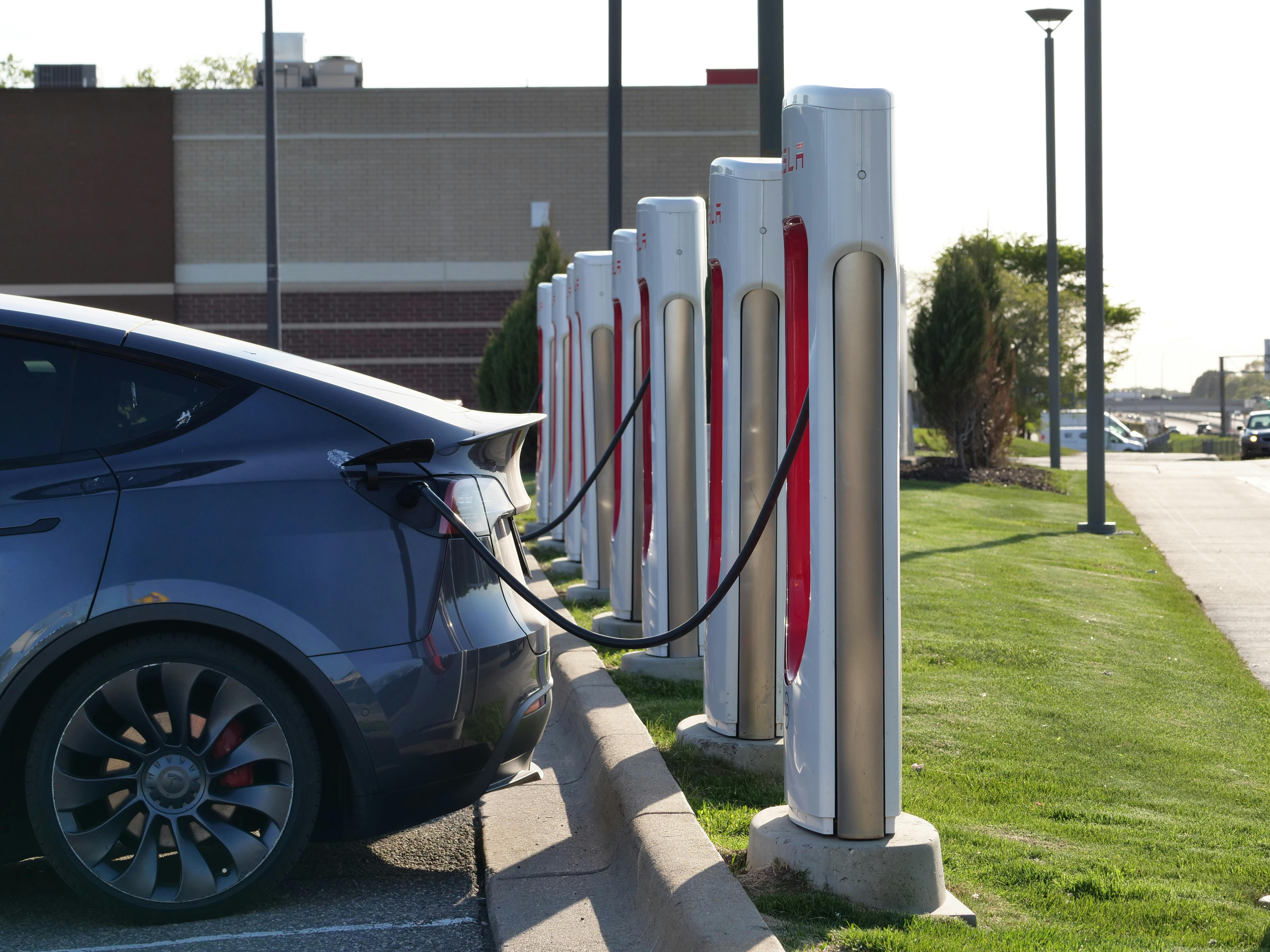
Perhaps equally transformative is the leap in charging speeds. In the liquid lithium-ion era, fast-charging an EV to 80% typically took 20 to 30 minutes, still significantly longer than filling a tank of gas. Solid-state batteries, due to their robust internal structure, can accept massive influxes of power without degrading or overheating. In 2026, we are seeing solid-state EVs capable of charging from 10% to 80% in under 10 minutes. This reduction in dwell time is a critical piece of the puzzle for mass EV adoption, particularly in regions where home charging is not an option and reliance on public fast-charging infrastructure is necessary.
Safety is another area where solid-state technology is proving to be a game-changer. Thermal runaway—the chemical chain reaction that causes lithium-ion batteries to catch fire and burn incredibly hot—has been a persistent PR challenge for the EV industry. Solid electrolytes are largely non-flammable and far less prone to dendrite formation (microscopic lithium spikes that can puncture the separator and cause short circuits). As a result, the heavy, expensive armor plating and liquid cooling systems that surround current battery packs can be simplified, further reducing vehicle weight and manufacturing costs.
Of course, the transition in 2026 is not without its growing pains. The initial wave of solid-state vehicles is positioned firmly in the premium and luxury segments. The manufacturing processes for solid electrolytes—particularly ensuring perfect interfaces between the solid layers at a mass-production scale—remain complex and expensive. Yields are still improving. However, economies of scale are accelerating faster than initially predicted. By the end of this year, we are already seeing announcements of second-generation solid-state manufacturing plants being constructed in the United States and Asia, explicitly designed to drive down costs for mid-market vehicles by 2028. The solid-state revolution has not just arrived; it has firmly taken root, signaling the beginning of the end for traditional liquid lithium-ion dominance.
Published on 6/23/2026