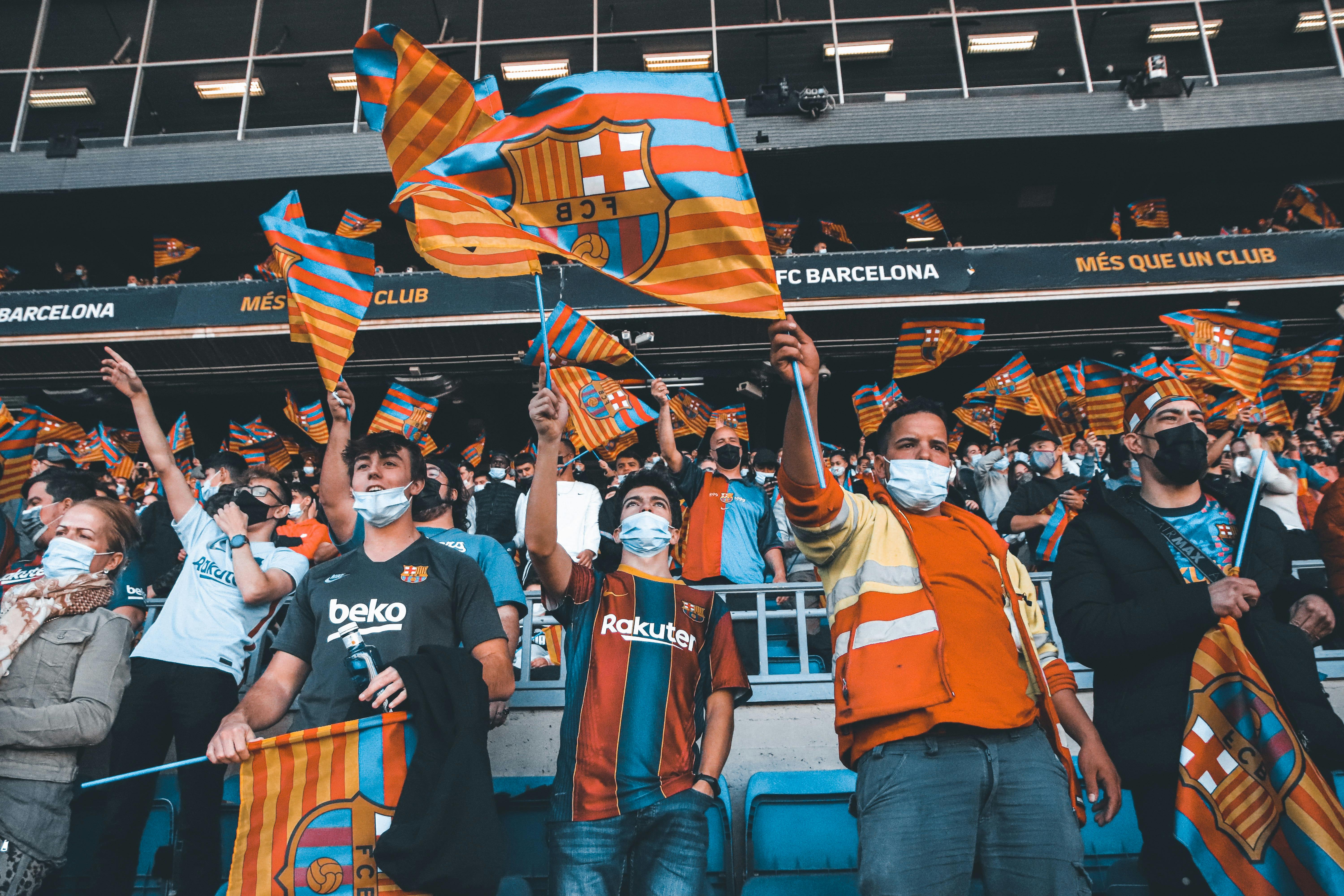
For the past two decades, the ownership landscape of European sports felt like a playground reserved exclusively for foreign billionaires, multi-national conglomerates, and massive sovereign wealth funds. From premium football franchises down to mid-tier basketball and rugby teams, regional clubs that had functioned as the cultural heartbeats of local communities for over a century were systematically bought up by distant, profit-driven entities. However, today on July 24, 2026, a powerful, democratic counter-movement is sweeping through regional fan bases across the continent. Utilizing advanced corporate cooperative laws and intuitive digital voting infrastructure, ordinary sports fans are completely bypassing traditional billionaire owners to purchase, fund, and democratically manage their local sports teams themselves through Decentralized Sports Cooperatives.The core catalyst for this grassroots revolt is a profound, widespread disillusionment with modern sports commercialization. Across Europe, fans have watched with growing anger as corporate owners raised ticket prices beyond the reach of local families, altered historical team logos to appeal to global television audiences, and threatened to dismantle local league structures in favor of closed-shop elite tournaments. When several high-profile regional clubs faced imminent bankruptcy due to reckless corporate debt management earlier this year, local fan bases decided that waiting for a benevolent billionaire savior was a losing strategy. They formed digital cooperatives, pooled their collective financial resources, and launched successful community buyouts to place ownership firmly back into the hands of the people who care most.What makes the 2026 sports cooperative model vastly superior to the historic, disorganized fan trusts of the past is the integration of seamless, digital governance infrastructure. Every individual who purchases a share in the cooperative receives an absolute, legally binding vote on major club decisions. Through a secure, highly accessible mobile application, a school teacher in Lyon, a mechanic in Stuttgart, or a baker in Rotterdam can directly vote on a variety of club matters, ranging from approving the annual ticket pricing structure and selecting eco-friendly stadium apparel vendors, to electing the club’s board of directors. This transparency has unlocked an unprecedented wave of community pride and local financial investment, proving that fans are highly capable of managing sports organizations responsibly when given true ownership.The immediate financial and social benefits of this democratic ownership model are completely transforming regional sports cultures. Because a fan-owned cooperative does not have to pay out massive dividends to offshore corporate shareholders or service massive high-interest loans engineered by private equity raiders, every single euro generated from ticket sales, local sponsorships, and food concessions is reinvested directly back into the club’s stadium infrastructure, youth academies, and local community health initiatives. The stadium transforms from a sterile commercial entertainment venue back into a vibrant, multi-generational community hub where local citizens feel an intense, authentic sense of shared purpose and collective belonging.Ultimately, the rapid rise of decentralized sports cooperatives represents a profound systemic challenge to the hyper-capitalist foundation of modern sports. It serves as an inspiring, real-world case study proving that there is a highly viable, highly profitable alternative to the soulless, billionaire-dominated ownership model. By aligning financial sustainability with democratic community values, fan-owned cooperatives are successfully proving that the true value of a sports club cannot be measured merely by its corporate share price or global marketing reach. The true value lies in its ability to unite people, preserve local heritage, and inject a profound sense of shared joy into daily life. The fans are finally taking the game back, one regional club at a time.
Published on 7/24/2026