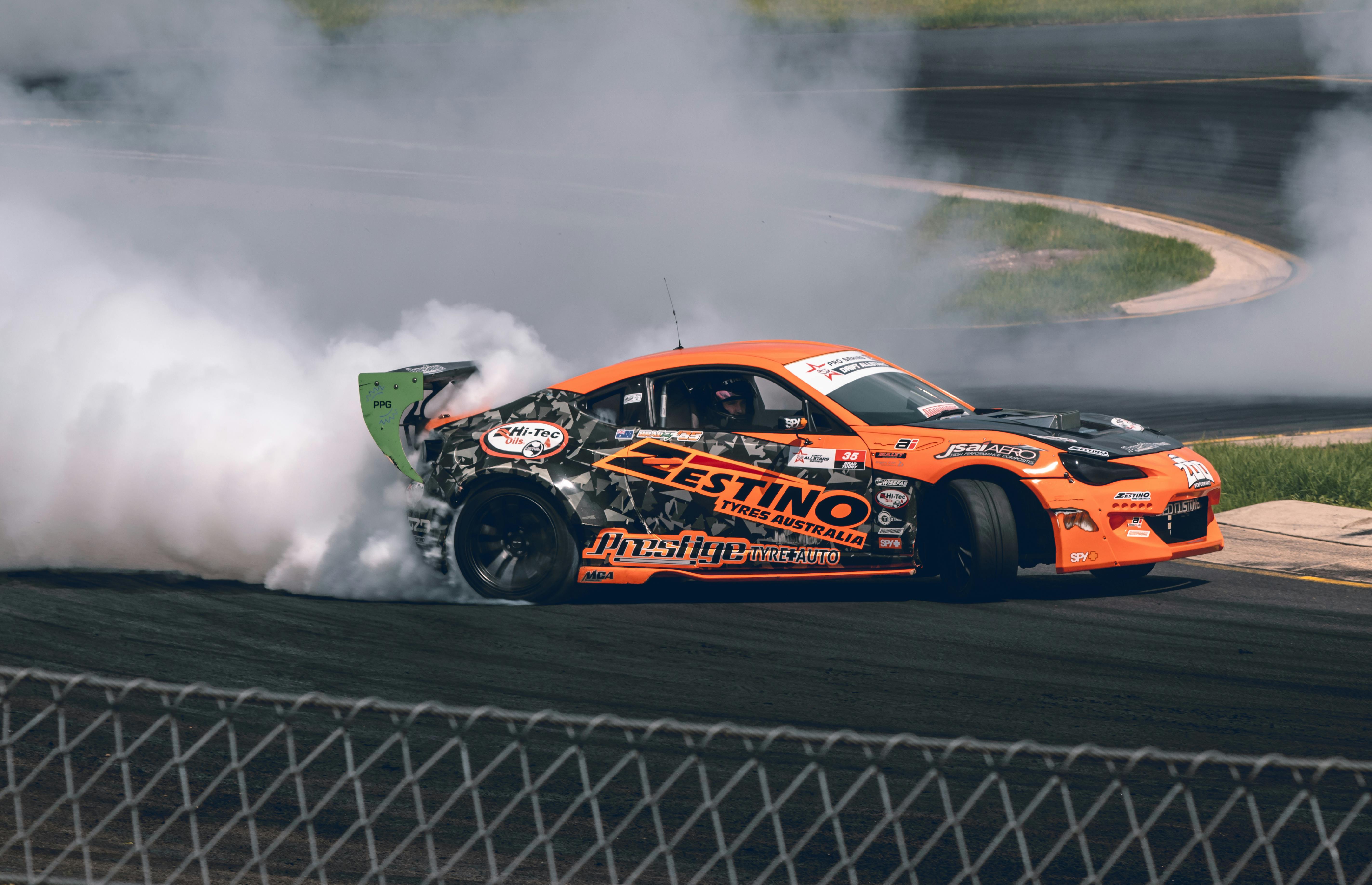
The Evolution of Professional Drifting: From Underground Culture to Global Motorsport Introduction
Few motorsports have experienced a transformation as remarkable as professional drifting. What began as an unconventional driving style practiced on Japan's winding mountain roads has grown into a globally recognized motorsport that attracts millions of fans, major automotive manufacturers, and some of the world's most talented drivers.
Today, professional drifting is no longer viewed as a niche motorsport. It has become a highly competitive discipline featuring international championships, factory-backed teams, advanced engineering, and worldwide media coverage. Events regularly draw thousands of spectators to racetracks while millions more watch live broadcasts and online streams.
The evolution of drifting reflects more than the growth of a sport—it represents the rise of a global automotive culture built on precision driving, innovation, creativity, and community. As the sport continues expanding in 2026, its history offers valuable insight into how passion and technical excellence transformed underground car culture into one of motorsport's most exciting competitions.
The Birth of Drifting in Japan
The origins of drifting can be traced back to Japan during the 1970s, when drivers began experimenting with controlled oversteer on narrow mountain roads known as touge. These winding routes demanded exceptional vehicle control, making them ideal environments for developing advanced driving techniques.
Unlike conventional racing, where minimizing tire slip was essential, these drivers intentionally induced rear-wheel slides to maintain momentum through tight corners. The technique required extraordinary precision, balancing throttle input, steering corrections, braking, and weight transfer simultaneously.
Initially, drifting remained an informal activity practiced by enthusiasts rather than organized racers. However, the growing popularity of the driving style soon attracted wider attention within Japan's automotive community.
From Street Culture to Organized Competition
As interest in drifting expanded, enthusiasts recognized the need for safer and more structured environments to showcase their skills.
Purpose-built circuits gradually replaced public roads, allowing drivers to compete under controlled conditions while reducing safety risks.
Early competitions introduced judging systems that rewarded more than outright speed.
Drivers were evaluated on:
Drift angle Racing line Speed Commitment Style Precision Fluid transitions
This unique scoring system distinguished drifting from every other form of motorsport.
Instead of racing against the clock, competitors demonstrated technical excellence while entertaining spectators with spectacular driving performances.
The Influence of Japanese Automotive Culture
Drifting's rapid growth cannot be separated from Japan's vibrant automotive culture.
Throughout the 1980s and 1990s, Japanese manufacturers produced numerous affordable rear-wheel-drive sports cars that became ideal platforms for drifting.
Enthusiasts embraced vehicle customization, performance tuning, and mechanical experimentation.
Popular modifications included:
Suspension upgrades Limited-slip differentials Turbocharger installations Lightweight wheels Steering angle kits Performance brakes
This culture encouraged innovation while allowing drivers to build highly personalized competition cars.
The close relationship between drifting and Japanese performance vehicles helped establish many automotive icons that remain respected worldwide.
Global Exposure Through Media
The international expansion of drifting accelerated as automotive magazines, motorsport documentaries, and later the internet introduced the sport to audiences outside Japan.
Video recordings of professional drift competitions quickly gained popularity among car enthusiasts worldwide.
Television programs, online forums, and automotive publications showcased:
Professional competitions Driver interviews Technical tuning guides Vehicle build features Behind-the-scenes content
The rise of digital media dramatically increased drifting's global visibility.
Social media later accelerated this growth even further, allowing spectacular tandem battles and tire-smoking runs to reach millions of viewers within minutes.
Professional Championships Raise the Standard
As drifting gained international recognition, organized championships began emerging across North America, Europe, Australia, Southeast Asia, and the Middle East.
Professional events introduced:
Certified judging systems Standardized competition rules Technical vehicle regulations Professional safety requirements Live television broadcasts Manufacturer sponsorship
These developments transformed drifting into a legitimate motorsport capable of attracting serious investment and long-term commercial partnerships.
Today's professional championships rival many traditional racing series in terms of production quality and fan engagement.
The Rise of Factory-Supported Teams
One of the clearest signs of drifting's maturity has been the growing involvement of automotive manufacturers.
Leading manufacturers now support professional teams through:
Technical engineering Financial sponsorship Vehicle development Performance testing Marketing campaigns
Manufacturers recognize drifting as an effective platform for demonstrating vehicle durability, handling characteristics, and engineering expertise.
Factory support has also increased competition by allowing teams access to advanced research, data analysis, and specialized components.
Technology Has Changed Professional Drifting
Modern drift cars differ dramatically from those used during the sport's early years.
Today's competition vehicles incorporate advanced technologies designed to maximize both performance and reliability.
Common upgrades include:
High-output turbocharged engines producing over 1,000 horsepower Sequential racing transmissions Hydraulic handbrake systems Adjustable suspension geometry Wide steering-angle modifications Lightweight composite body panels Advanced cooling systems Professional telemetry and data acquisition
Engineers analyze detailed vehicle data after every session to optimize performance, tire wear, suspension settings, and driver inputs.
This combination of engineering and driving skill has elevated professional drifting to unprecedented levels.
Driver Skill Remains the Defining Factor
Despite remarkable technological progress, success in drifting still depends primarily on driver ability.
Professional drivers must demonstrate exceptional control under constantly changing conditions.
Core skills include:
Precision Steering
Maintaining the correct steering angle while making continuous adjustments throughout each drift.
Throttle Management
Applying engine power smoothly to sustain controlled oversteer without losing momentum.
Vehicle Balance
Managing weight transfer during transitions between corners.
Spatial Awareness
Maintaining extremely close proximity to opponents during tandem battles while avoiding contact.
These abilities require years of practice and extensive competition experience.
The Importance of Tandem Battles
Tandem drifting has become one of the sport's most exciting features.
Rather than driving alone, competitors battle in pairs.
The lead driver focuses on executing an ideal drift line.
The chase driver attempts to mirror every movement while remaining as close as possible without making contact.
Judges evaluate:
Proximity Synchronization Aggression Precision Overall execution
These head-to-head battles create dramatic moments that distinguish drifting from virtually every other motorsport discipline.
The Role of Fans and Community
Professional drifting has developed one of motorsport's most passionate communities.
Fans actively participate through:
Local drift events Car meets Track days Online communities Vehicle restoration projects Performance tuning workshops
Unlike many professional sports, drifting often provides direct access to drivers and teams.
This close relationship strengthens fan loyalty while encouraging newcomers to join the community.
Economic Growth of the Drifting Industry
The expansion of professional drifting has created significant business opportunities.
Industries benefiting from the sport include:
Performance parts manufacturers Tire companies Automotive workshops Motorsport apparel Digital media production Event management Tourism Sponsorship and advertising
Major competitions contribute to local economies by attracting international visitors, generating hotel bookings, restaurant revenue, and transportation demand.
The commercial ecosystem surrounding drifting continues growing alongside the sport itself.
Environmental Innovation
Like many forms of motorsport, drifting faces increasing pressure to improve sustainability.
Organizers and manufacturers are exploring solutions including:
Sustainable fuels Hybrid powertrains Electric drift vehicles Improved tire recycling Reduced event emissions
Electric drifting has attracted particular attention.
Instant torque delivery makes electric powertrains highly capable of producing controlled oversteer, opening new possibilities for future competition.
While traditional internal combustion engines remain dominant, electrification is expected to play an increasingly important role over the coming decade.
Challenges Ahead
Despite continued success, professional drifting faces several ongoing challenges.
Rising Costs
Vehicle development, travel, tires, and maintenance require significant financial investment.
Talent Development
Encouraging younger drivers to progress from amateur events into professional competition remains essential.
Global Standardization
Maintaining consistent judging criteria across international championships continues to be a priority.
Sustainability
Balancing environmental responsibility with motorsport tradition will shape the sport's long-term future.
Successfully addressing these challenges will help ensure continued growth.
Looking Toward the Future
Professional drifting shows no signs of slowing down.
Several developments are expected to define the next phase of the sport:
Increased manufacturer investment Advanced telemetry and AI-assisted vehicle analysis Greater international collaboration between championships Expanded youth development programs Growth of electric and hybrid competition cars Enhanced live streaming and immersive fan experiences
As technology advances, professional drifting is likely to become even more competitive, accessible, and globally recognized.
Conclusion
The evolution of professional drifting is one of motorsport's greatest success stories. From its humble beginnings on Japan's mountain roads to becoming a globally celebrated competition, drifting has continually adapted while preserving the creativity, precision, and excitement that first captured the imagination of automotive enthusiasts.
Today, professional drifting stands as a showcase of engineering excellence, exceptional driving skill, and passionate community involvement. Supported by manufacturers, embraced by fans, and driven by constant technological innovation, the sport continues to expand into new markets and inspire the next generation of competitors.
As the automotive industry evolves and motorsport embraces new technologies, drifting remains uniquely positioned to bridge tradition and innovation. Its combination of technical mastery, entertainment value, and global appeal ensures that professional drifting will continue to thrive as one of the most dynamic and captivating forms of motorsport well beyond 2026.
Published on 7/1/2026