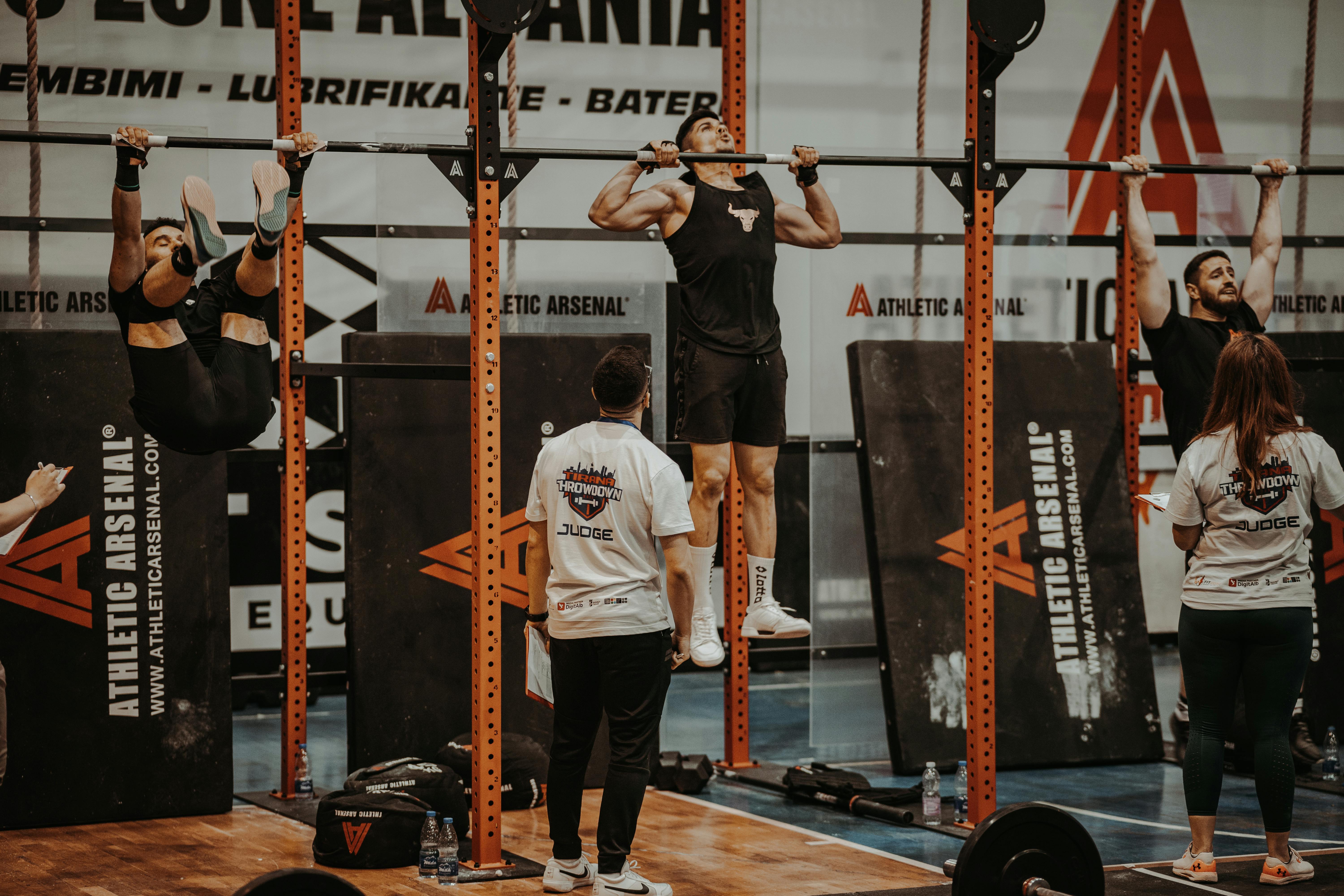
Walk into any major indoor arena across London, Berlin, Paris, or Amsterdam today, on July 24, 2026, and you will not find traditional track and field stars or legacy football matches. Instead, you will witness thousands of everyday athletes drenched in sweat, cheered on by deafening crowds as they sprint between heavy rowing machines, sled pushes, and weighted lunges. This is the world of hybrid fitness racing—a sport that has completely exploded across European social media over the past year. What began a few years ago as a niche weekend challenge for elite Crossfitters and functional fitness enthusiasts has officially transformed into a massive cultural phenomenon. In mid-2026, participation metrics for regional hybrid fitness tournaments have actively outpaced traditional city marathons, making it the undisputed fastest-growing mass sport on the European continent.To understand the sudden, aggressive velocity of this sporting movement, one must examine the profound evolutionary shift taking place within everyday gym culture. For decades, ordinary people frequented local fitness centers to perform isolated weight lifting or mindlessly jog on treadmills, a routine that many younger Europeans found inherently lonely and uninspiring. Hybrid racing systematically reinvented the commercial gym experience by introducing a standardized, measurable global sport. Every race follows an identical, grueling format: eight repetitions of a one-kilometer run, interspersed with eight specific functional fitness stations.
This strict standardization allows an accountant in Madrid, a student in Vienna, or a nurse in Stockholm to compare their exact race times on a unified global leaderboard, injecting a powerful sense of athletic purpose into ordinary weekly workouts.The true engine behind this massive expansion is the sport's brilliant, highly intuitive optimization for digital media and community building. Unlike traditional athletics, which can feel deeply exclusionary to late-bloomers or non-elite runners, hybrid racing celebrates the "everyday athlete." Participants flood TikTok and Instagram with raw, unfiltered documentation of their training journeys, sharing recovery strategies, pacing hacks, and shoe recommendations. The culture is completely devoid of the intimidating elitism often found in competitive sports; elite world champions race on the exact same course, on the exact same day, as a 60-year-old grandfather completing his first race. This radical democratization of athletic achievement has unlocked an unprecedented level of fan loyalty and global brand sponsorship.This mass migration of everyday consumers into structured competitive racing is causing a significant shakeup across the multi-billion-euro sports apparel and commercial fitness industries. Major athletic brands are rapidly abandoning traditional running sponsorships to design specialized, highly profitable hybrid racing footwear and clothing lines built specifically to handle the dual demands of heavy weight pushing and fast endurance running. Concurrently, traditional commercial gym chains across Europe are completely ripping out rows of legacy isolation machines, replacing them with open turf tracks and functional fitness rigs to accommodate the massive wave of members actively training for upcoming regional race schedules.Ultimately, the rise of hybrid fitness racing reflects a deeper, generational transformation in how society conceptualizes health, competition, and human capability. Modern Europeans are no longer content with being passive spectators who simply sit on a couch watching highly paid superstars play sports on television; they want to step into the arena themselves. They are actively seeking out intense physical challenges that test their mental fortitude while simultaneously connecting them to a supportive global community. Hybrid racing has successfully bridged the historic gap between elite competition and everyday wellness, cementing its status as the definitive, foundational blueprint for the future of 21st-century mass sport.
Published on 7/24/2026