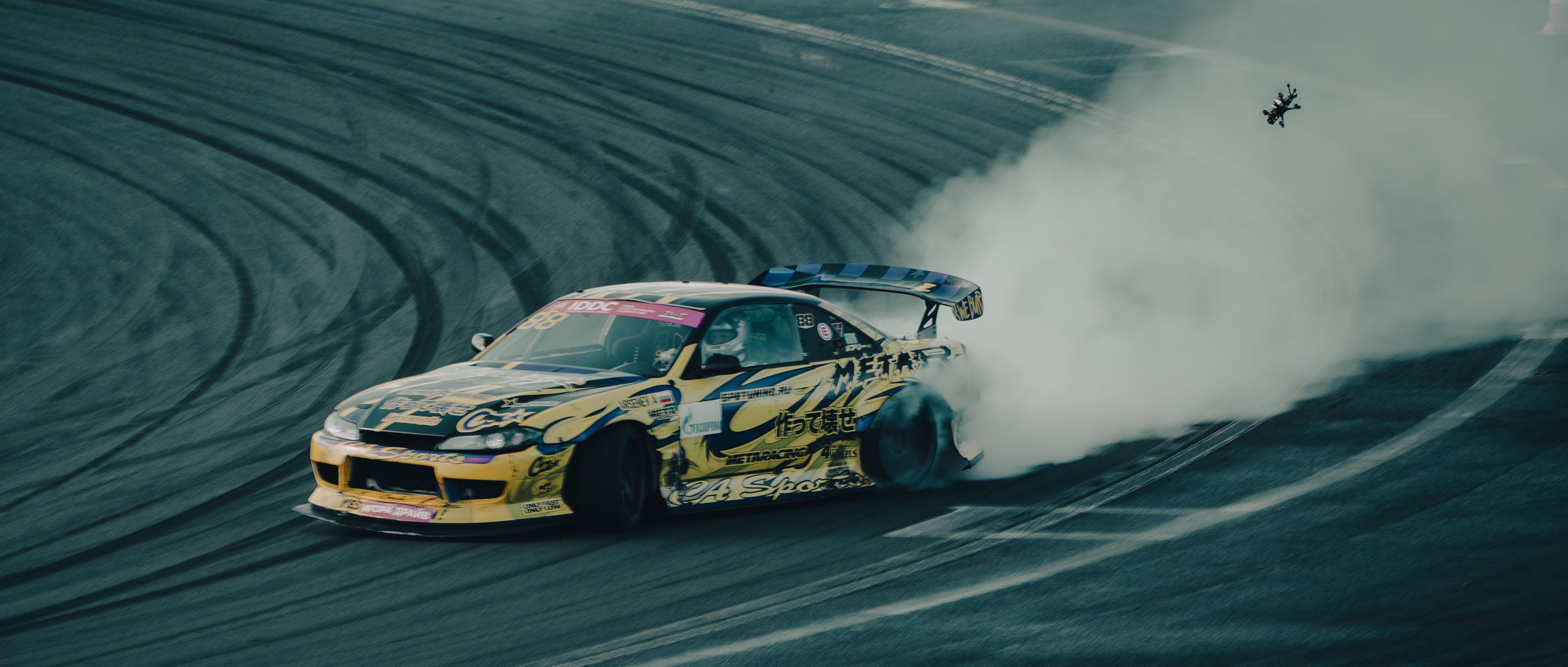
Why Drifting Continues to Captivate Motorsports Fans Around the World in 2026 Introduction
Motorsport has always been about speed, precision, and competition, but few disciplines combine these elements with artistry quite like drifting. Once considered an underground automotive culture, drifting has evolved into one of the most exciting and visually spectacular forms of motorsport, attracting millions of fans across the globe. In 2026, the sport continues to grow through international competitions, professional teams, technological innovation, and a passionate community that spans generations.
Unlike traditional circuit racing, where the fastest lap determines success, drifting rewards drivers for their ability to control a car while intentionally oversteering through corners. Judges evaluate each run based on speed, angle, racing line, commitment, and style, making every performance a blend of technical skill and creative expression.
The combination of tire smoke, close tandem battles, high-powered rear-wheel-drive machines, and unpredictable outcomes has transformed drifting into a global entertainment phenomenon. As automotive technology continues to evolve, drifting remains a sport that celebrates both engineering excellence and driver talent.
The Origins of Drifting
Modern drifting traces its roots to Japan during the 1970s and 1980s. Mountain roads, known as touge, became the training grounds where skilled drivers refined techniques for maintaining control while sliding through corners.
These driving methods eventually influenced organized motorsport competitions, giving birth to professional drifting events that emphasized style as much as speed.
As videos, magazines, and later social media introduced drifting to international audiences, the sport quickly expanded beyond Japan into North America, Europe, Australia, Southeast Asia, and the Middle East.
Today, drifting has become a truly global discipline with professional championships attracting elite drivers from around the world.
Why Drifting Is Different from Traditional Racing
Many people assume drifting is simply another form of racing, but the objectives are fundamentally different.
Traditional motorsport rewards drivers who complete laps in the shortest possible time.
Drifting focuses on controlled oversteer while maintaining momentum through a corner.
Judges typically score competitors based on several criteria:
Drift angle Speed Racing line Commitment Fluidity Precision Overall style
In tandem battles, drivers must also demonstrate exceptional proximity to their opponent while maintaining complete control.
This unique scoring system means every run becomes both a technical challenge and a performance for spectators.
The Skill Behind Every Drift
Professional drifting requires far more than simply making a car slide.
Drivers spend years mastering techniques including:
Weight Transfer
Proper weight distribution allows the vehicle to transition smoothly between corners while maintaining stability.
Throttle Control
Precise throttle application determines how much power reaches the rear wheels during a drift.
Steering Input
Drivers constantly make rapid steering corrections to maintain the desired angle throughout each corner.
Braking Technique
Brake modulation helps initiate drifts while maintaining balance during transitions.
Vehicle Awareness
Professional drivers continuously monitor grip levels, tire wear, engine performance, and track conditions throughout every run.
The combination of these skills separates elite competitors from beginners.
Technology Has Elevated the Sport
Although drifting celebrates driver ability, modern technology plays an increasingly important role.
Today's professional drift cars feature advanced engineering designed specifically for competitive performance.
Common modifications include:
High-horsepower turbocharged engines Reinforced transmissions Adjustable suspension systems Hydraulic handbrakes Limited-slip differentials Wide steering angle kits Lightweight body components Professional roll cages
Data logging systems also allow teams to analyze vehicle performance after each run, helping drivers refine their technique throughout a competition weekend.
Global Championships Continue to Grow
Professional drifting has expanded into one of motorsport's most international disciplines.
Championships across multiple continents continue attracting world-class drivers and manufacturers.
These events feature:
Professional judging panels Live television and streaming coverage Manufacturer-backed teams Corporate sponsorships International driver lineups Thousands of enthusiastic spectators
The increasing professionalism of these competitions has elevated drifting's reputation within the broader motorsport industry.
Many events now rival traditional racing championships in production quality and fan engagement.
The Role of Social Media
Few motorsports benefit from social media as much as drifting.
The sport's dramatic visuals naturally attract online audiences.
Clouds of tire smoke, aggressive driving angles, spectacular car builds, and close tandem battles regularly generate millions of views across digital platforms.
Professional drivers now build global audiences through:
Behind-the-scenes content Car build updates Practice sessions Driving tutorials Event highlights Live fan interaction
This direct connection between drivers and fans has helped drifting grow significantly among younger audiences.
Car Culture and Community
One of drifting's greatest strengths is its welcoming automotive community.
Many enthusiasts begin by attending local drift events before eventually modifying their own vehicles.
Car meets, tuning workshops, and motorsport festivals provide opportunities for enthusiasts to exchange technical knowledge and celebrate automotive culture.
The community values:
Respect for driving skill Mechanical knowledge Creativity Sportsmanship Continuous learning
Unlike many professional sports, drifting often allows fans to interact closely with drivers, mechanics, and teams.
This accessibility strengthens the connection between competitors and supporters.
Manufacturers Continue Supporting Drifting
Automotive manufacturers increasingly recognize drifting as an effective platform for showcasing vehicle performance.
Manufacturers use drifting to demonstrate:
Engine reliability Suspension engineering Tire technology Performance components Driving dynamics
The sport also provides valuable opportunities to connect with younger automotive enthusiasts who influence future purchasing decisions.
As a result, manufacturer involvement continues expanding through sponsorships, technical partnerships, and factory-supported racing teams.
The Economic Impact of Drifting
The growing popularity of drifting has created opportunities beyond competition itself.
The industry now supports businesses involved in:
Performance parts manufacturing Tire production Automotive tuning Event organization Digital media Merchandise Motorsport tourism
Large competitions attract international visitors, benefiting local hotels, restaurants, transportation providers, and tourism industries.
This broader economic contribution has strengthened drifting's position within global motorsport.
Safety Remains a Top Priority
Despite its spectacular appearance, professional drifting operates under strict safety standards.
Modern competitions require:
FIA-approved helmets Fire-resistant racing suits Multi-point harnesses Roll cages Fire suppression systems Technical vehicle inspections
Track design also prioritizes safety through runoff areas, protective barriers, and dedicated emergency response teams.
These measures allow drivers to compete aggressively while minimizing unnecessary risks.
Challenges Facing the Sport
Although drifting continues expanding, several challenges remain.
Rising Costs
Professional competition requires significant investment in vehicle development, maintenance, travel, and tire consumption.
Environmental Concerns
As sustainability becomes increasingly important, motorsport organizers continue exploring ways to reduce environmental impact.
Talent Development
Encouraging young drivers to enter the sport remains essential for long-term growth.
Global Competition
As the sport expands internationally, maintaining consistent judging standards across championships becomes increasingly important.
Addressing these challenges will help ensure drifting's continued success.
The Future of Drifting
Looking ahead, drifting is expected to continue evolving alongside automotive technology.
Emerging trends include:
Hybrid performance vehicles Electric drift cars Artificial intelligence-assisted vehicle analysis Advanced tire compounds Improved telemetry systems Virtual reality driver training Enhanced live broadcasting technology
While vehicle technology will continue advancing, the core appeal of drifting is unlikely to change.
Fans will always appreciate the combination of driver skill, mechanical engineering, and spectacular competition.
Why Fans Continue to Love Drifting
Drifting offers something unique within motorsport.
Every run combines precision, creativity, speed, and risk in ways that few other racing disciplines can match.
Unlike time-based racing, drifting allows drivers to express their individual style while competing directly against equally talented opponents.
The excitement of close tandem battles, dramatic car control, and unpredictable judging outcomes keeps spectators engaged throughout every event.
Whether experienced at a professional championship, local drift day, or online broadcast, drifting delivers an emotional experience that continues attracting new fans each year.
Conclusion
Drifting has evolved from its underground origins into one of the world's most dynamic and widely recognized motorsports. In 2026, the sport continues to thrive thanks to its unique blend of technical driving, engineering innovation, passionate communities, and unforgettable competition.
As professional championships expand globally and new technologies enhance both performance and fan engagement, drifting is reaching audiences far beyond traditional motorsport enthusiasts. Its ability to combine athletic skill, automotive craftsmanship, and visual excitement makes it unlike any other racing discipline.
While challenges such as rising costs and sustainability remain, the future of drifting looks exceptionally promising. Supported by manufacturers, embraced by fans, and driven by constant innovation, the sport is well-positioned to continue growing as one of the most exciting forms of motorsport entertainment for years to come.
Published on 7/1/2026